


Remote work continues to reshape the real estate market in profound ways. As February unfolds, new patterns in housing demand are emerging, driven by evolving workplace flexibility and lifestyle priorities. Buyers and renters are reconsidering location, property size, and amenities based on remote work needs. Realtors and investors alike are watching these shifts closely, as they signal long-term changes in how people choose where to live. Understanding these dynamics is essential for anyone navigating today’s real estate landscape.
Remote Work Trends Driving Housing Demand
Remote work has transitioned from a temporary solution to a permanent fixture in many industries. This shift has altered buyer preferences in several ways:
- Location Flexibility: Professionals no longer need to live near corporate offices, opening opportunities in suburban and rural markets.
- Space Requirements: Home offices, larger living areas, and outdoor spaces are now top priorities.
- Technology Infrastructure: Reliable internet connectivity has become a non-negotiable factor in property selection.
For example, suburban communities outside major cities are experiencing increased demand, as buyers seek affordability and more space without sacrificing connectivity. Realtors are seeing heightened interest in properties with dedicated office rooms, soundproofing, and flexible layouts that accommodate hybrid work schedules.
February Market Shifts in Real Estate Demand
February has revealed several notable changes in buyer and renter behavior:
- Suburban Growth: Listings in suburban areas are moving faster, with competitive offers becoming more common.
- Urban Adjustments: While city living remains attractive, demand is shifting toward neighborhoods with parks, co-working hubs, and quieter residential streets.
- Rental Market Dynamics: Remote workers are increasingly choosing short-term rentals in desirable locations, testing lifestyle options before committing to purchases.
- Investment Opportunities: Investors are targeting properties in secondary cities where affordability and lifestyle appeal intersect.
These shifts highlight the importance of monitoring seasonal trends. February’s data suggests that remote work continues to push demand toward lifestyle-driven housing choices, with buyers prioritizing comfort and flexibility over proximity to traditional job centers.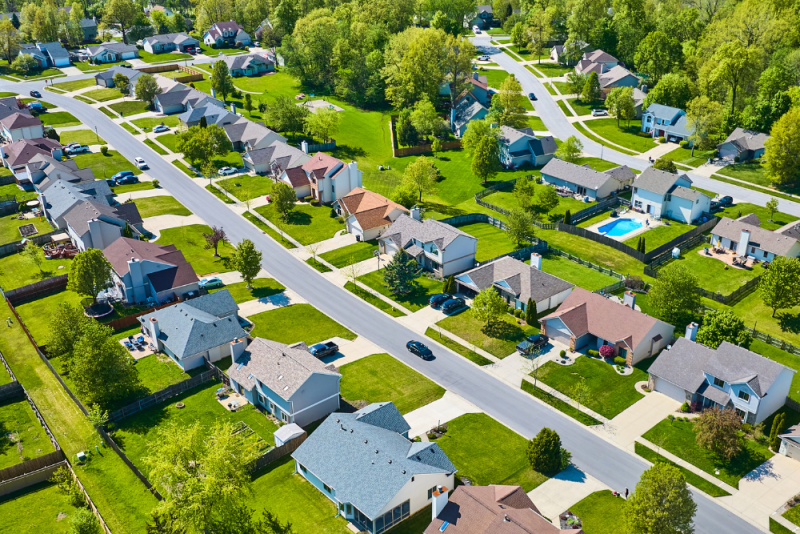
Realtor Strategies for Navigating Remote Work Demand
Realtors must adapt their strategies to meet the evolving needs of remote workers:
- Highlight Remote-Friendly Features: Market properties with home offices, strong internet infrastructure, and quiet neighborhoods.
- Leverage Virtual Tours: Remote buyers often prefer digital-first experiences, making virtual tours and online consultations essential.
- Target Emerging Markets: Focus on suburban and secondary cities where demand is rising.
- Educate Buyers: Provide insights into how remote work trends affect property values and long-term investment potential.
By aligning marketing strategies with remote work realities, realtors can position themselves as trusted advisors in a rapidly changing market. February’s demand shifts underscore the need for proactive engagement and tailored messaging.
Remote work is no longer a temporary trend—it is a defining factor in real estate demand. February’s shifts highlight the growing importance of suburban markets, lifestyle-driven choices, and properties designed for flexible living. Realtors who adapt quickly will be best positioned to serve clients navigating these changes.