

As the world faces increasing environmental challenges, the demand for eco-friendly homes has grown significantly. Homebuyers are now seeking properties that not only provide comfort and style but also reduce carbon footprints and promote sustainable living. Eco-friendly homes combine modern design with energy efficiency, renewable resources, and smart technologies to create healthier spaces for families. By investing in sustainable housing, individuals contribute to a greener future while enjoying long-term savings and improved quality of life. This blog explores the benefits, features, and future of eco-friendly homes for a sustainable tomorrow.
The Benefits of Eco-Friendly Homes
Eco-friendly homes are more than just a trend; they represent a lifestyle choice that prioritizes sustainability and responsibility. Buyers and investors are increasingly drawn to these properties because of their long-term advantages.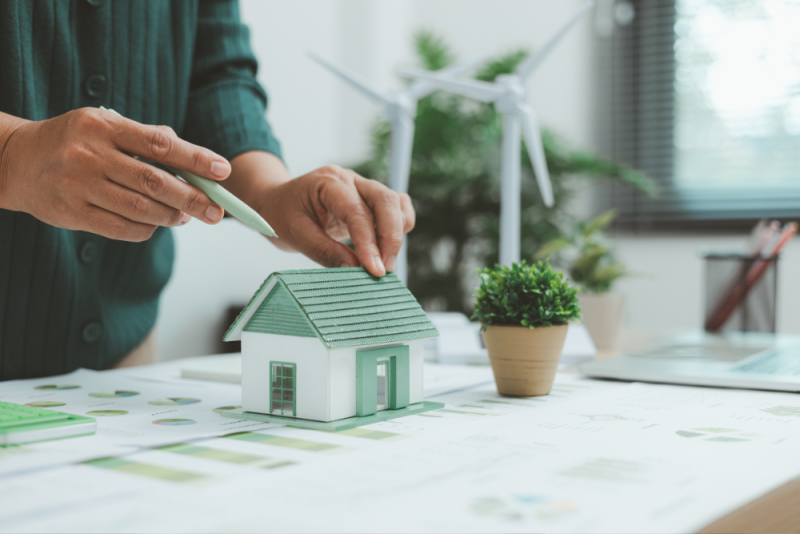
Energy Efficiency and Cost Savings
Sustainable homes are designed with energy-efficient appliances, LED lighting, and smart thermostats. Solar panels and advanced insulation reduce electricity bills, making eco-friendly homes financially attractive.
Healthier Living Environments
Eco-friendly homes often use non-toxic building materials, improved ventilation systems, and natural lighting. These features enhance indoor air quality, reducing health risks associated with traditional construction.
Environmental Impact Reduction
By incorporating renewable energy sources and water-saving technologies, eco-friendly homes minimize reliance on non-renewable resources. This reduces greenhouse gas emissions and helps combat climate change.
Increased Property Value
Sustainable homes are highly desirable in today’s real estate market. Buyers are willing to pay a premium for properties that align with their values and offer long-term benefits.
Key Features of Sustainable Homes
Eco-friendly homes are defined by innovative design and technology that prioritize sustainability. Realtors and developers highlight these features to attract environmentally conscious buyers.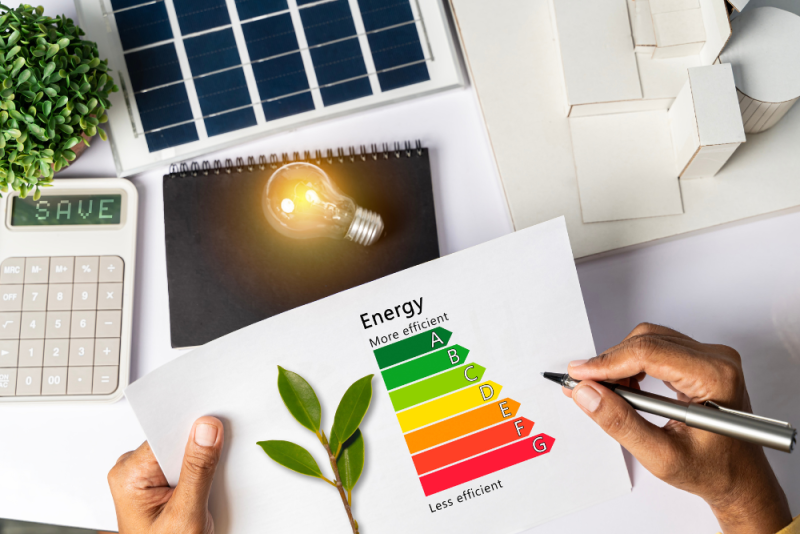
Renewable Energy Systems
Solar panels, wind turbines, and geothermal heating systems are common in sustainable homes. These systems provide clean energy and reduce dependence on fossil fuels.
Smart Home Technology
Automated lighting, energy monitoring systems, and smart irrigation help homeowners manage resources efficiently. Smart technology ensures convenience while reducing waste.
Water Conservation Solutions
Rainwater harvesting systems, low-flow fixtures, and greywater recycling are essential features. These solutions reduce water consumption and promote sustainable living
Sustainable Building Materials
Bamboo flooring, recycled steel, reclaimed wood, and eco-friendly concrete are increasingly used in construction. These materials are durable, stylish, and environmentally responsible.
Green Spaces and Landscaping
Eco-friendly homes often integrate gardens, rooftop greenery, and native plants. These not only beautify the property but also improve air quality and biodiversity.
The Future of Eco-Friendly Real Estate
The real estate industry is evolving to meet the growing demand for sustainable housing. Realtors and developers are adapting strategies to highlight eco-friendly features and attract buyers.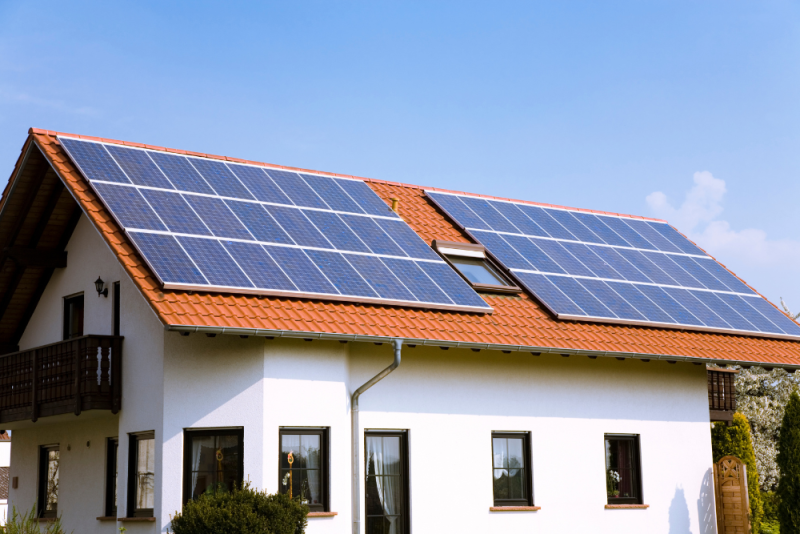
Government Incentives and Policies
Many regions offer tax breaks, rebates, and grants for homeowners who invest in sustainable properties. These incentives make eco-friendly homes more accessible.
Growing Buyer Awareness
Millennials and Gen Z buyers are particularly focused on sustainability. Realtors must emphasize eco-friendly features to appeal to these demographics.
Integration of Smart Cities
Future urban planning will prioritize eco-friendly housing within smart cities. These communities will feature renewable energy grids, sustainable transportation, and eco-conscious infrastructure.
Long-Term Market Growth
As climate change continues to influence consumer choices, eco-friendly homes will dominate the housing market. Realtors who specialize in sustainable properties will gain a competitive edge.
Eco-friendly homes are not just a passing trend; they are the cornerstone of a sustainable future. By investing in properties that prioritize energy efficiency, renewable resources, and smart technologies, homeowners contribute to environmental preservation while enjoying financial and health benefits. Realtors who embrace this shift will position themselves as leaders in a growing market.